Jaw harp
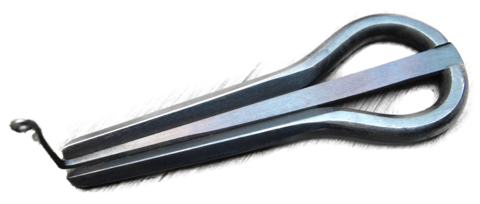
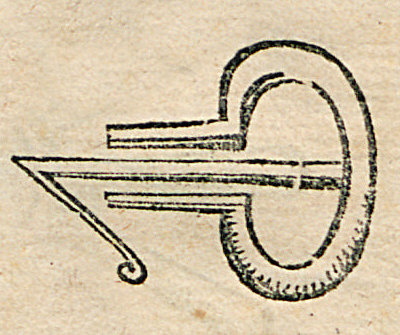
Image of the jaw harp in Sebastian Virdung's Musica getutscht (Basel 1511, fol. D3v).

Archaeological find, Hauenstein Castle.

The jaw harp (Maultrommel), which Sebastian Virdung lists among peasant instruments in his “Musica getutscht” of 1511, has been known in Europe since the Early Middle Ages through illustrations and surviving exemplars. It consists of a metal loop, usually made of iron, whose parallel arms are placed in the player’s mouth and rested against the teeth. The metal tongue, which runs between the arms and is attached at only one end, is set into vibration by striking. The oral cavity acts as a resonating chamber and amplifies the sound. By altering the shape of the mouth, individual notes within the overtone spectrum can be emphasised in such a way that it is possible, to a certain extent, to play melodies accompanied by a constant drone. Changes to the airflow can be used to create percussive and rhythmic effects. The jaw harp was used for private entertainment across all social classes, but played no role in art music or polyphony.
During excavations at Oswald von Wolkenstein’s Hauenstein Castle (parish of Kastelruth / Castelrotto, South Tyrol), the remains of two medieval jaw harps, amongst other finds, were discovered.